

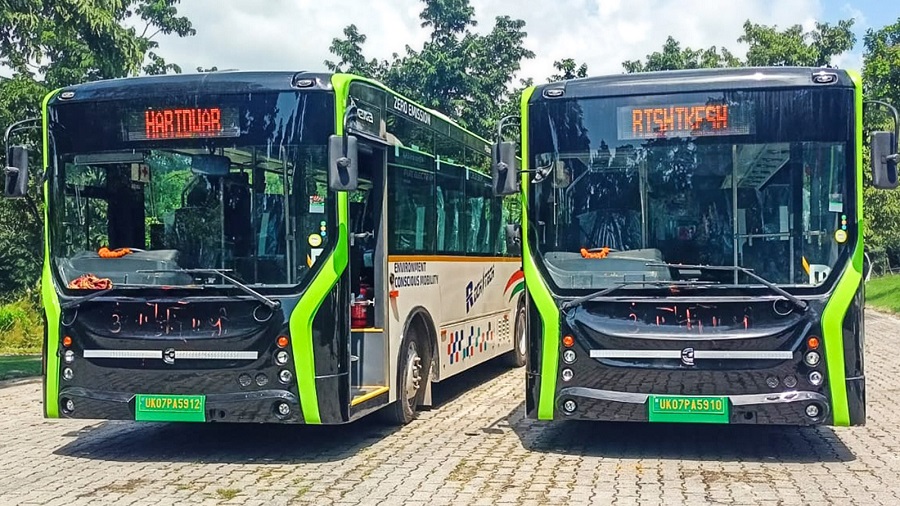
The International Finance Corporation (IFC), a member of the World Bank Group focused on private sector development in emerging markets, recently announced a $20 million equity investment in Transvolt Mobility, a company dedicated to building and scaling electric mobility solutions in Southeast Asia and potentially beyond. This investment signifies a pivotal moment for the burgeoning electric vehicle (EV) industry in the region, underscoring the potential for private sector innovation to drive sustainable transportation and address critical environmental challenges. Understanding the rationale behind this investment, the potential impact on Transvolt Mobility, and the broader implications for the EV ecosystem in emerging markets is crucial for stakeholders interested in sustainable development and the future of transportation.
The Rationale Behind IFC’s Investment:
The IFC’s investment in Transvolt Mobility aligns strategically with its commitment to promoting sustainable infrastructure and addressing climate change. Several key factors likely influenced this decision:
Supporting Green Transportation:
Transportation is a significant contributor to global greenhouse gas emissions, particularly in rapidly urbanizing emerging markets. Electric vehicles offer a viable pathway to decarbonize the transportation sector, reducing reliance on fossil fuels and improving air quality in congested cities. The IFC recognizes the potential of EVs to contribute to climate change mitigation and supports companies like Transvolt Mobility that are actively working to expand their adoption.
Promoting Private Sector Innovation:
The IFC’s mandate involves fostering private sector growth in developing countries. By investing in Transvolt Mobility, a company at the forefront of EV technology and business model innovation, the IFC is signaling its confidence in the private sector’s ability to address pressing development challenges. This investment can encourage other private investors to explore opportunities in the EV sector in emerging markets, creating a ripple effect that accelerates industry growth.
Addressing Development Gaps:
Many emerging markets face significant challenges in terms of access to affordable and reliable transportation. Traditional internal combustion engine (ICE) vehicles are often expensive to purchase and maintain, creating a barrier for lower-income populations. Transvolt Mobility’s focus on developing affordable and accessible EV solutions directly addresses this development gap, contributing to inclusive growth and improved living standards.
Enabling Job Creation and Economic Growth:
The electric vehicle industry has the potential to create significant economic opportunities in emerging markets, from manufacturing and assembly to charging infrastructure development and maintenance. By supporting Transvolt Mobility’s expansion, the IFC is contributing to job creation, stimulating economic activity, and fostering a more resilient and diversified economy.
Geographic Focus and Growth Potential:
Southeast Asia is experiencing rapid economic growth and urbanization, leading to increased demand for transportation. The region also faces significant air quality challenges, making the adoption of electric vehicles particularly attractive. Transvolt Mobility’s presence in Southeast Asia positions it to capitalize on this growing market and contribute to sustainable development in a region that is critical to global climate goals. Furthermore, Transvolt Mobility’s innovative business models, such as battery swapping and leasing, are tailored to the specific needs of the Southeast Asian market and offer a competitive advantage.
Potential Impact on Transvolt Mobility
The $20 million equity investment from the IFC will significantly impact Transvolt Mobility’s ability to scale its operations and achieve its strategic objectives. The funding will likely be utilized to:
- Expand Manufacturing Capacity: A key constraint on EV adoption is the limited availability of vehicles. The investment will enable Transvolt Mobility to increase its manufacturing capacity, allowing it to produce more vehicles and meet growing demand. This expansion may involve establishing new assembly lines, upgrading existing facilities, and investing in advanced manufacturing technologies.
- Develop and Deploy Charging Infrastructure: Widespread availability of charging infrastructure is crucial for EV adoption. The investment will allow Transvolt Mobility to expand its charging network, deploying charging stations in strategic locations across Southeast Asia. This will alleviate range anxiety among potential EV users and make electric vehicles a more practical transportation option. The company may also explore innovative charging solutions, such as battery swapping stations, to further enhance the user experience.
- Enhance Research and Development: Continuous innovation is essential in the rapidly evolving EV industry. The investment will enable Transvolt Mobility to invest in research and development, improving the performance and affordability of its vehicles. This may involve developing new battery technologies, optimizing vehicle design, and integrating advanced features.
- Expand into New Markets: While Transvolt Mobility currently focuses on Southeast Asia, the investment could enable it to expand into new markets with similar development challenges and growth potential. This expansion would further amplify the company’s impact and contribute to sustainable transportation on a global scale.
- Attract Talent and Build Capacity: To achieve its ambitious goals, Transvolt Mobility needs to attract and retain top talent. The investment will allow the company to offer competitive salaries and benefits, attracting skilled engineers, managers, and other professionals. It will also enable the company to invest in training and development programs to build capacity within its workforce.
Broader Implications for the EV Ecosystem in Emerging Markets
The IFC’s investment in Transvolt Mobility has broader implications for the EV ecosystem in emerging markets, contributing to a more favorable environment for sustainable transportation:
- Demonstration Effect: The IFC’s investment serves as a demonstration of the viability and potential of the EV sector in emerging markets. This can encourage other investors, both domestic and international, to explore opportunities in the sector, leading to increased capital flows and accelerated industry growth.
- Strengthening Supply Chains: As Transvolt Mobility expands its operations, it will create demand for components and materials from local suppliers. This will help to strengthen supply chains in emerging markets, creating new economic opportunities and fostering a more resilient and localized EV ecosystem.
- Promoting Technology Transfer: The partnership between the IFC and Transvolt Mobility can facilitate the transfer of technology and best practices to emerging markets. This can help to build local expertise and capacity in the EV sector, reducing reliance on foreign technology and promoting sustainable development.
- Shaping Regulatory Frameworks: As the EV industry grows in emerging markets, governments will need to develop appropriate regulatory frameworks to support its development. The IFC’s involvement can help to shape these frameworks, ensuring that they are conducive to innovation, investment, and sustainable growth.
- Raising Awareness and Building Consumer Confidence: The IFC’s reputation and credibility can help to raise awareness of the benefits of electric vehicles among consumers in emerging markets. This can build consumer confidence in EVs and accelerate their adoption.
Challenges and Considerations
Despite the significant potential of the IFC’s investment and Transvolt Mobility’s innovative approach, several challenges and considerations need to be addressed to ensure the long-term success of the initiative:
- Infrastructure Gaps: Overcoming infrastructure gaps, particularly the lack of widespread charging infrastructure, remains a critical challenge. Collaboration between governments, private companies, and international organizations is essential to address this issue.
- Affordability: Making electric vehicles affordable to a wider range of consumers is crucial for achieving widespread adoption. Innovative financing models, government subsidies, and cost reductions through economies of scale are needed to address this challenge.
- Battery Technology: Improving battery technology, including increasing energy density, reducing charging times, and extending battery lifespan, is essential for making EVs more competitive with ICE vehicles.
- Policy Support: Supportive government policies, such as tax incentives, subsidies, and regulations promoting EV adoption, are crucial for creating a favorable environment for the industry.
- Public Awareness: Educating the public about the benefits of electric vehicles and addressing common misconceptions is essential for building consumer confidence and driving adoption.
Conclusion
The IFC’s $20 million equity investment in Transvolt Mobility represents a significant step forward in promoting sustainable transportation and addressing climate change in emerging markets. This investment will enable Transvolt Mobility to scale its operations, develop and deploy charging infrastructure, enhance research and development, and expand into new markets. The broader implications for the EV ecosystem in emerging markets are significant, contributing to increased investment, strengthened supply chains, technology transfer, supportive regulatory frameworks, and greater public awareness.
While challenges remain, this investment demonstrates the potential for private sector innovation to drive sustainable development and create a cleaner, more equitable future. By supporting companies like Transvolt Mobility, the IFC is playing a critical role in accelerating the transition to a low-carbon economy and building a more sustainable world for future generations. This investment serves as a beacon, attracting more investment and innovation to the burgeoning EV sector in emerging economies.